Should Low Water Stop You From Booking a European River Cruise?
By Laura North, Luxury Ocean and River Cruise Expert
Last reviewed July 29, 2026
Short answer: No, I wouldn't delay a European river cruise just because you're worried about low water levels. Low water is rarely a reason to cancel a European river cruise. Cruise lines plan for changing conditions, and most sailings go ahead as scheduled.
Every spring, someone asks me whether they should cancel their river cruise because of low water. It's one of the questions I get most, and my answer usually surprises people.
You've probably seen the headlines about low water, ship swaps, and itinerary changes, and it's enough to make anyone wonder whether to postpone the trip or pick a different vacation altogether. Changing river conditions can affect a sailing, and not every itinerary unfolds exactly as planned. But once you understand what those changes actually mean, you can decide based on facts instead of fear.
My goal is to help you figure out whether a river cruise is the right vacation for you.
Why this question matters
Questions about low water have gotten more common, and I understand why.
Search the topic and you'll find plenty of stories about river cruises disrupted by low water. Most describe real events, but they rarely explain what those changes actually mean for the people on board.
The questions I hear most
- Should I wait until next year?
- Is there a better season to cruise?
- Will my cruise be canceled?
- What happens if the ship can't continue?
All fair, and all worth asking before you book. Understanding how river cruises operate, and how the lines respond when conditions shift, is what lets you decide with a clear head.
Can anyone predict river conditions?
The honest answer is no.
River levels depend on rainfall, snowmelt, drought, and seasonal weather, and those vary a lot from one year to the next. Predicting what a river will do months ahead just isn't possible.
So, I don't recommend hunting for the "perfect" week or month. There isn't one. I'd rather you pick the itinerary you're genuinely excited about and treat river conditions as one of several things that can occasionally affect a sailing.
What happens if water levels get too low or too high?
Most European river cruises run exactly as planned.
When levels get unusually low or high, the line may adjust things to keep guests safe and the trip moving. Depending on the situation, that can mean:
- Modifying the itinerary
- Using motorcoaches for part of the route
- Arranging a ship swap so you keep sailing on another vessel
- Changing where the ship docks
The one that sounds most alarming is the ship swap, so here's what it actually looks like. You pack your bags, hop on a motorcoach for a short ride past the shallow stretch, and board another ship waiting on the other side. If it's a sister ship of the same design, you usually keep your cabin category and often the same cabin number. If the ships aren't identical, the line matches you to the closest cabin it can. Either way, the crew moves your luggage for you. It's a bit of a shuffle for a morning, and then you're sailing again.
The river lines have handled changing conditions for years, and these are established contingency plans they've used many times before. A change can feel disappointing, but the aim is always to keep the trip good and everyone safe.
I've seen this play out firsthand. I recently had clients sailing on the Rhine, and part of their route shifted to a motorcoach because of low water. They still got to the towns they came for, just reaching a stop or two by road instead of by ship.
What makes river cruising worth it
The ship is a comfortable floating hotel that carries you from one town to the next while you sleep. But the reason people book a river cruise is what's waiting on shore: medieval villages, local markets, regional food, and historic sites you reach on foot in the middle of a European town.

That's why river cruising is often the first thing I suggest for someone who wants to spend real time in the towns along the way. The heart of it is the history and the culture, and that stays rewarding even when an itinerary needs an occasional change.
What surprised me most
After a few river cruises of my own, here's what caught me off guard: I barely think about the ships now. What I remember are the towns.
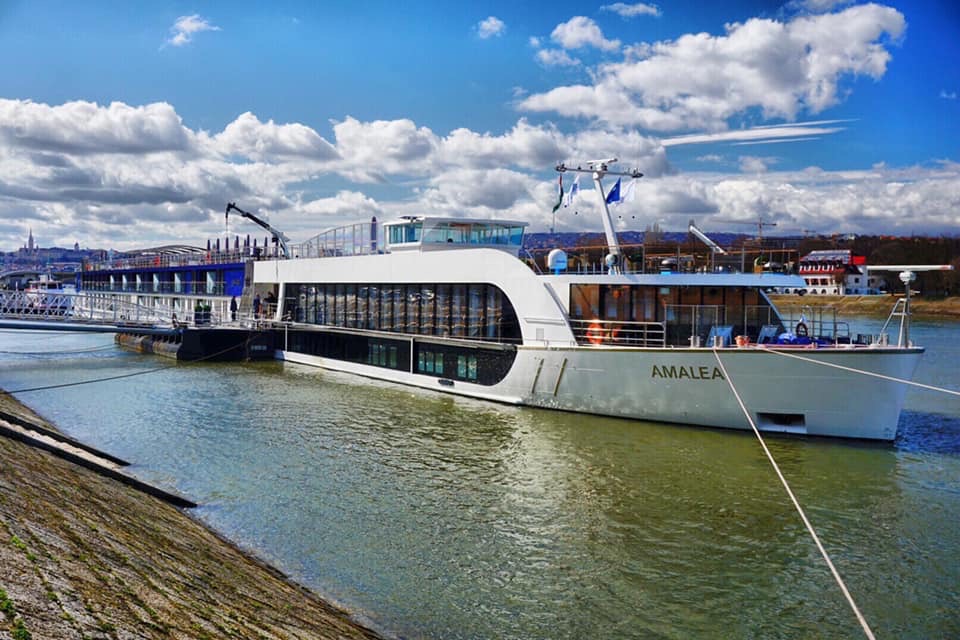
Dürnstein is the one that stuck. We sailed the Danube with AmaWaterways in March, and our ship was the first of the season to stop there. The streets were quiet, the shops were just opening back up, and we were the first travelers to walk through after the winter.
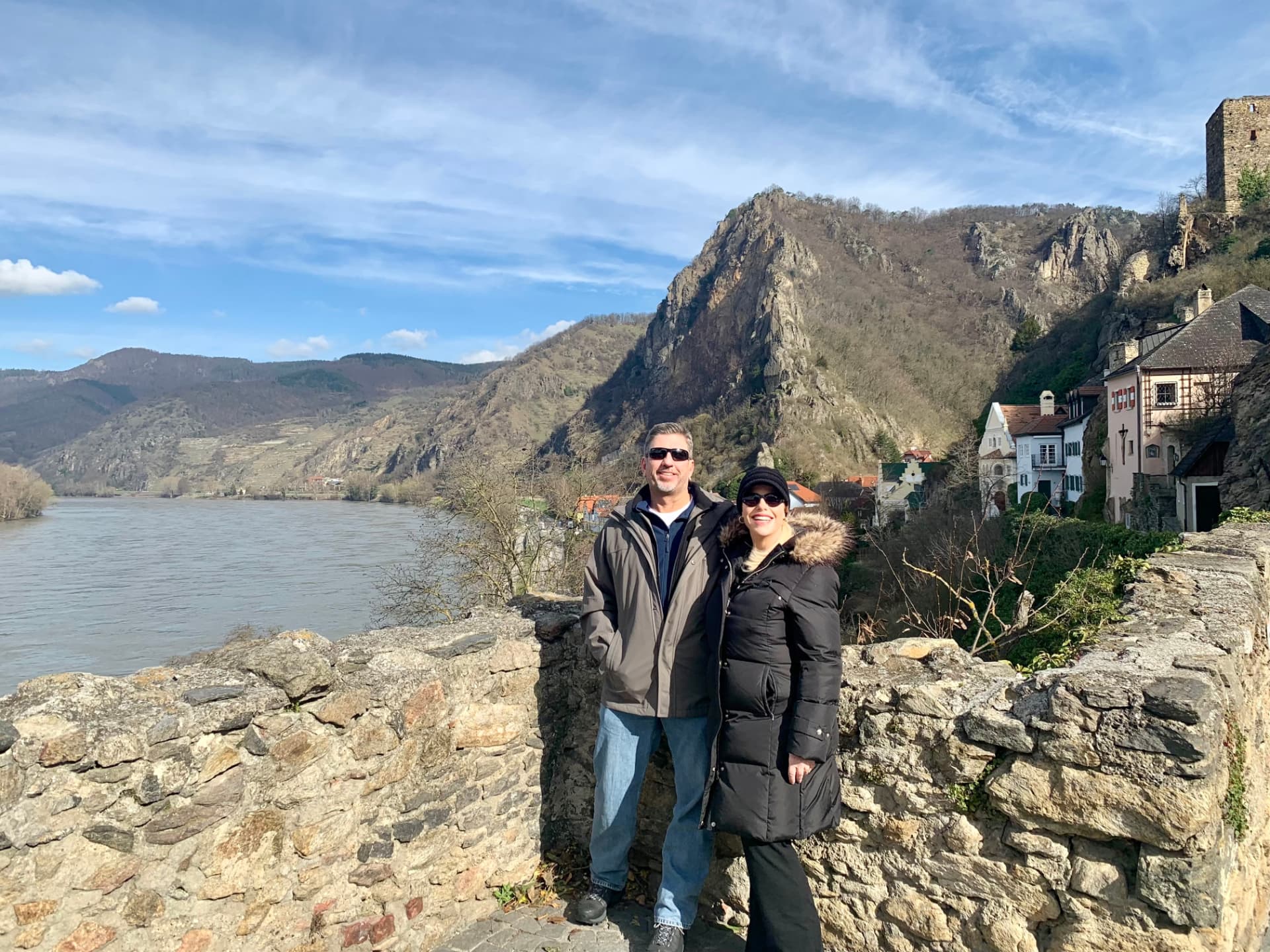
You could feel how glad the shop owners and merchants were to see us. They'd been closed all off-season, and here we were, the first people coming through their doors again. It showed on their faces.
The Wachau Valley is apricot country, and Dürnstein is where we did an apricot tasting, the liqueur and the brandy both. We bought a bottle of the apricot liqueur, and I'd have bought more if I'd known how hard it is to find outside the region.
That's the part of river cruising a schedule can't tell you. Long after the details fade, what stays with you is a quiet March morning in a town like Dürnstein, and the people who were happy you came.
How I help clients decide
Every traveler is different. Some people are completely comfortable with the chance of an itinerary change. Others would rather pick a destination or a style of travel where that's less likely.
My job is to make sure you understand what to expect before you book, answer your questions honestly, and help you land on the vacation that fits your travel style and your comfort level.
A few questions I'll usually ask you: Is it the destination you love, the onboard experience, or both? And if the itinerary shifts, will you still enjoy the trip? Informed travelers are confident travelers, and that's what I'm after.
What I tell my clients
If a European river cruise is the vacation you've been dreaming about, I wouldn't let low water worries stop you. Here's what I'd suggest instead:
- Choose the itinerary that excites you most.
- Ask your questions before you travel, not after.
- Buy travel protection.
- Go in with realistic expectations and an open mind.
I'm a big believer in travel protection. I've had to use it myself more than once, and I recommend it on every trip. The one thing to understand is how it treats low water specifically. A low-water itinerary change usually isn't a covered reason for a claim. The cruise still operates, it's just modified, so a standard policy typically won't pay out for that particular situation. If you're truly not comfortable with the risk, some plans add a cancel-for-any-reason option, though the details vary a lot. It generally only applies when you're canceling for a reason that isn't otherwise covered, and it rarely refunds the full amount. Depending on the plan, you might get part of your money back, often around 75 percent, or a future travel credit instead of cash. That's why I go through the coverage with each client at booking, because no two policies handle this the same way.
No vacation comes with guarantees. But with a little planning, honest expectations, and some flexibility, the trip you've been picturing is still very much there for you.
Frequently asked questions
What's the best time of year to avoid low water on a river cruise?
+
There isn't one I'd point to. Weather patterns change from year to year, so no season can promise normal levels every time. I tell clients to pick the itinerary they love rather than chase a perfect month.
Can high water affect a river cruise too?
+
Yes. High water can force itinerary changes as well, and the response depends on the specific river and local conditions.
Can cruise lines predict low water levels before I book?
+
No. Conditions can shift a lot between booking and sailing. As an advisor, I watch conditions with my clients as the date gets closer, but long-range predictions just aren't realistic.
Will I know before I leave if my itinerary changes?
+
Sometimes, not always. Lines communicate as soon as they can, but because conditions move quickly, some calls get made close to departure or even while you're sailing.
Which European rivers are most affected by low water?
+
A few come up more than others. The Rhine is the one I'd point to first, and the Upper Danube and the Elbe can see low water too. The Elbe runs naturally shallow, so it's especially prone. Certain stretches matter more than the whole river, and conditions vary from year to year, so no river is always affected or always fine. If a specific itinerary worries you, let's talk it through before you book.
Does travel insurance cover a low water itinerary change?
+
Travel protection is worth having, and I recommend it on every trip. For low water specifically, though, most standard policies don't treat an itinerary change as a covered claim, because the cruise still operates and only the route changes. Some plans add a cancel-for-any-reason option for non-covered reasons, but it rarely refunds the full amount, and whether it comes back as partial cash or a future travel credit depends on the plan. I go through the specifics with each client at booking, since no two policies are quite the same.
Should low water stop me from booking a European river cruise?
+
For most travelers, no. As a river cruise advisor, I tell clients that low water occasionally changes an itinerary but rarely ruins the trip, and on its own it's not a reason to cancel. If a particular sailing worries you, that's worth talking through before you book.